A Practical Guide to Care Labels: Decoding Fabric Instructions for Linen Bedding
A National Geographic–inspired exploration of how to read care labels on linen bedding and related textiles. From sheets and duvet covers to decorative pillows, this guide translates symbols, terms, and brand nuances into actionable, product-agnostic guidance that helps you prolong the life and beauty of your linen closet essentials.
Why care labels matter for linen bedding
Care labels are the language of textiles. They encode the manufacturer’s testing, fabric composition, and recommended handling so you can keep your linens in peak condition across many seasons. Linen, with its natural fibers and distinctive texture, responds to laundering differently than cotton and synthetic blends. Reading labels helps you preserve the fabric’s breathability, drape, and timeless character.
In this guide, we translate symbols and terms you’ll encounter on bedding from brands such as Coyuchi, Libeco, and Sferra, while emphasizing practical, non-brand-specific practices. The aim is to empower you with a reliable, repeatable care routine that transcends product lines.
Decoding common care symbols
Care labels typically present a compact set of symbols that convey heat, drying, bleaching, ironing, and dry-cleaning instructions. Here is a concise interpretation you can apply to linen bedding across brands:
- Washing temperature — A tub icon with a number indicates the maximum Celsius temperature. When absent, default to cold or warm gentle cycles to minimize fiber stress.
- Machine vs. hand wash — A hand icon signals hand washing only; a tub icon indicates machine washing is acceptable under specified conditions.
- Bleach — A triangle means bleach may be used; a crossed-out triangle means no bleach. For linen, oxygen-based bleaches are gentler on fibers than chlorine.
- Drying — A square with a circle inside denotes tumble drying. Dots indicate heat level: one dot for low, two for medium. A square with a line suggests line drying or flat drying; a crossed-out dryer means line drying only.
- Ironing — An iron symbol indicates whether ironing is allowed and at what temperature. A single dot corresponds to low; three dots indicate high heat. Linen responds well to a moderate iron while slightly damp for best luster.
- Dry cleaning — A circle often signals professional dry cleaning. A crossed circle means no dry cleaning.
These symbols work in concert with accompanying written instructions—temperature ranges, cycle recommendations, and any special finishes on the fabric. When labels provide both symbols and text, follow the stricter guidance to extend the fabric’s life.
Key terms you’ll encounter on linen bedding care labels
Beyond symbols, written instructions illuminate important nuances. Here are common terms and what they mean for linen bedding care:
- Garment-washed or garment-washed finish: The fabric has been washed after weaving to achieve a softer hand and easier drape. This can reduce stiffness but may slightly affect colorfastness over time.
- Pre-washed: The fabric was washed during production to minimize shrinkage and enhance initial softness. Pre-washed linens typically tolerate regular laundering well and become softer with each wash.
- GOTS certified: The Global Organic Textile Standard certification signals compliance with ecological and social criteria across the supply chain. GOTS fabrics are often preferable for bedding used in daily sleep environments due to their organic integrity.
- Eco-friendly dye or low-impact dye: Indicates reduced environmental impact in the dyeing process. Such finishes may contribute to color softness and longevity when cared for properly.
- Chlorine-free: A reassurance that chlorine bleach is not used in finishing or whitening, which helps preserve fiber integrity over multiple launderings.
Understanding these terms helps you select linens that align with your values—durable, breathable, and sustainably produced textiles that age gracefully, a trait for which linen is famed.
A quick-start care checklist for linen bedding
- Sort linens by fabric type and color. Separate delicate finishes from sturdier weaves to prevent abrasion and color bleed.
- Use a gentle cycle with cold or warm water (not hot) to protect fiber strength and minimize shrinkage.
- Select a mild, phosphate-free detergent. Avoid heavy-duty detergents that can strip natural fibers or leave residues.
- Avoid fabric softeners; they can reduce breathability and lint-free performance over time. If you must, use sparingly and experiment with small portions.
- Air-dry linen when possible; line-drying preserves fiber integrity and reduces wear from high-heat drying. If using a dryer, choose low heat and remove promptly.
- Iron linen while slightly damp on a medium-to-high setting to achieve a crisp finish without over-stressing fibers. Use a clean, hot iron for best results.
With consistent care, linen bedding keeps its characteristic cool handle, breathable feel, and timeless aesthetic—an enduring foundation for a restful night and a well-kept linen closet.
Practical application: translating symbols to actions
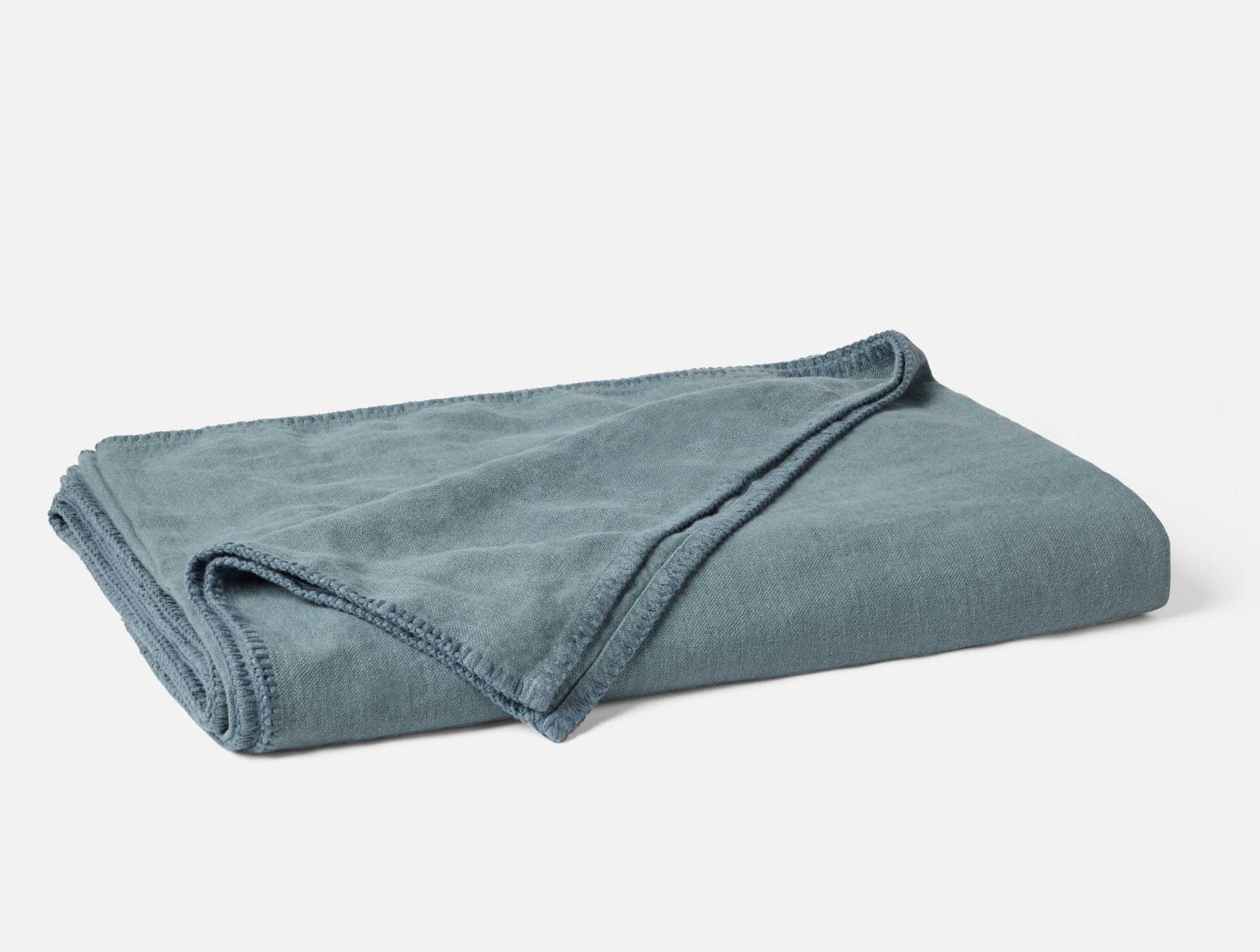
To make care labels truly actionable, translate each symbol into a concrete action you can perform in your home. Below is a reference you can use when evaluating a new set of linens, such as a The Belgian Pillow Pillow Cover Harlan Stripe or Helena Organic Linen Coverlet from Coyuchi’s curated lines. These examples illustrate how to move from symbol to routine:
- Washing: If the label allows machine washing at 30–40°C, set your machine accordingly. Linen can tolerate warm cycles, but gentler cycles extend longevity, especially with textured finishes.
- Drying: If tumble drying is permitted, select low heat and remove while slightly damp to minimize wrinkling and maintain soft hand. Line drying remains ideal for every-day linen pieces to preserve fiber integrity.
- Bleach: If bleaching is allowed, prefer oxygen-based alternatives and avoid chlorine on natural linen to prevent yellowing and fiber damage over time.
- Ironing: For linen, iron on a warm setting while the fabric is still damp to achieve a crisp surface without scorching fibers. Use a pressing cloth for delicate colors or finishes.
Three notable figures who shaped textile care philosophies
Care labels and textile standards are not merely technical. They are the culmination of centuries of experimentation, craft, and scholarship. Here are three key individuals from different eras who influenced how we understand and care for linen and other fabrics today:
Maria Meroni (18th century)
Pioneer in domestic textile practices in Northern Europe, Meroni catalogued fiber characteristics and laundered textiles to extend life, long before modern synthetic fibers existed. Her meticulous notes on linen hand and washing cycles foreshadow contemporary care-label logic.
Sir Thomas Hancock (19th century)
Industrial innovator who advanced standardized textile testing, including weave stability and colorfastness. His work laid groundwork for the modern care-symbol system that underpins label instructions we rely on today.
Dr. Elena Vasiliev (20th century)
Textile scientist who promoted organic and sustainable processing methods. Her emphasis on fiber provenance and eco-friendly finishes resonates with GOTS certification and the modern emphasis on sustainable linen bedding.
These figures remind us that care labels crystallize centuries of practical knowledge into a language we can apply in kitchens, bedrooms, and wardrobes today. They stand as a reminder that practical homekeeping can be both rigorous and poetic, bridging science, craft, and daily ritual.
A glance at a representative product and why it matters
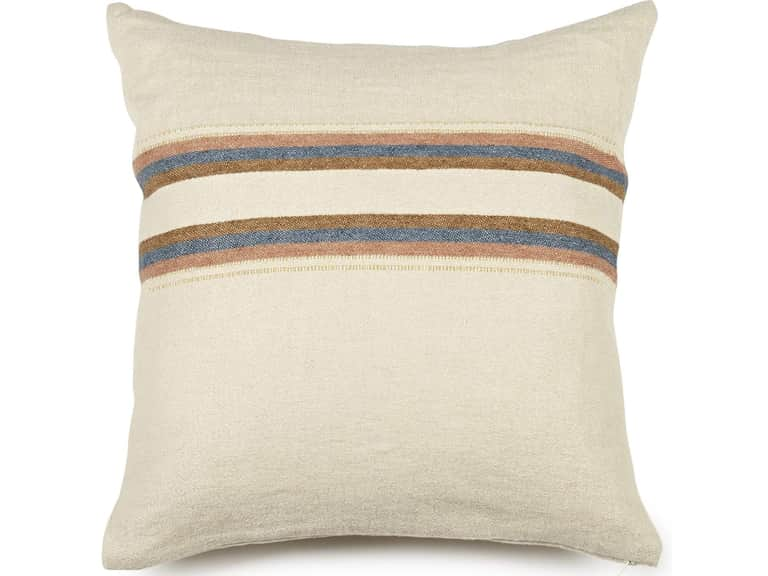
Consider the live example from Libeco: The Belgian Pillow Pillow Cover Harlan Stripe, a 20x20" linen cover crafted from artisanal linen yarns with a washed finish. While pillow covers are small, their care is telling: a simple, careful wash at no more than 30°C, delicate tumble dry, and separate washing ensures longevity of texture and color. This product embodies the philosophy of careful handling that true linen durability demands. The natural variation and character of linen are honored in the product’s instructions, reinforcing the idea that slight irregularities are part of linen’s beauty rather than flaws.
Why this matters: Linen’s beauty rests on its natural texture and breathable hand. Proper care preserves its drape, temperature regulation, and aged patina that many homeowners seek for bedrooms with a calm, organic vibe.
Practical takeaway: when caring for linen pillow covers or linen sheets, avoid harsh cycles, avoid aggressive bleaching, and maintain a damp iron approach to restore crisp surfaces without over-stressing fibers.
Product showcase:
The Belgian Pillow Pillow Cover Harlan Stripe (20x20"). 100% linen, washed finish. Insert sold separately. Libeco.
Care notes: Machine wash cold on gentle cycle; tumble dry delicate; wash separately. Maintain a neutral, line-dried approach to preserve the textile’s character over time. The Harlan stripe hints at the logics of subtlety in linen patterning—quiet stripes that harmonize with a calm bedroom palette.
Website identity: Direction A in Linen Care
This article embodies the recommended Direction A: Home Linen Care and Organization Hub. The tone mirrors National Geographic’s editorial voice—clear, authoritative, and grounded in careful observation. It emphasizes practical, scalable guidance that readers can apply to a broad array of linen products, from bedding to decorative pillows. The content is non-commercial in its core; it offers timeless care wisdom that feels universal and trustworthy, with an eye toward sustainable and durable practices.
Final thoughts: care labels as a map for everyday stewardship
Care labels distill centuries of textile craft and science into practical steps you can act on today. Linen bedding, with its natural texture and breathable warmth, rewards careful handling and thoughtful laundering. By translating symbols into action, and by recognizing the character of linen rather than treating it as a disposable commodity, readers can cultivate a linen closet that remains orderly, inviting, and sustainable through the years.
If you’d like, I can draft a sample site map (pages and sections) for the recommended Direction A, plus 8–12 starter articles with outlines to kick off content creation.